Dr. Chris Celio to learn more about blood sugar and its impact .
Blood glucose (also called blood sugar) tells you how much sugar is in your blood at any one moment. You can measure your blood glucose with a blood test at the doctor’s office, during a biometric screening or at home with a glucometer or a continuous glucose monitor (CGM).
Where does glucose come from?
Blood glucose comes from the food you eat or your liver. All food is broken down and turned into glucose during digestion. That sugar gets transported through your blood to cells. Carbohydrates (foods that have sugar or starch) break down into glucose more quickly and create more blood glucose than other foods. Having some sugar in your blood is important – it helps fuel your brain, heart, and muscles. Trouble starts when blood glucose is too high or too low.
What is healthy blood glucose?

It’s important for blood glucose levels to stay in a healthy range. A fasting blood glucose (when you haven’t had anything to eat or drink in 8-12 hours) of 100 mg/dL or more is considered a metabolic risk factor. If your number is between 100-125 your doctor may diagnose you with prediabetes.
Blood glucose that is too high is called hyperglycemia. It happens when the body doesn’t have enough insulin or can’t use the insulin properly. Over time, high blood glucose can cause complications like heart disease, kidney disease, and eye problems.
Blood glucose that is too low, when your fasting blood glucose falls below 70 mg/dL, is called hypoglycemia. If glucose levels get too low, you may lose the ability to think and function normally.
What can I do to prevent blood glucose highs or lows?
Your doctor can help you personalize a plan to prevent highs and lows.Working with a coach can help you stick to that plan and build new habits.
Here are a few general tips:

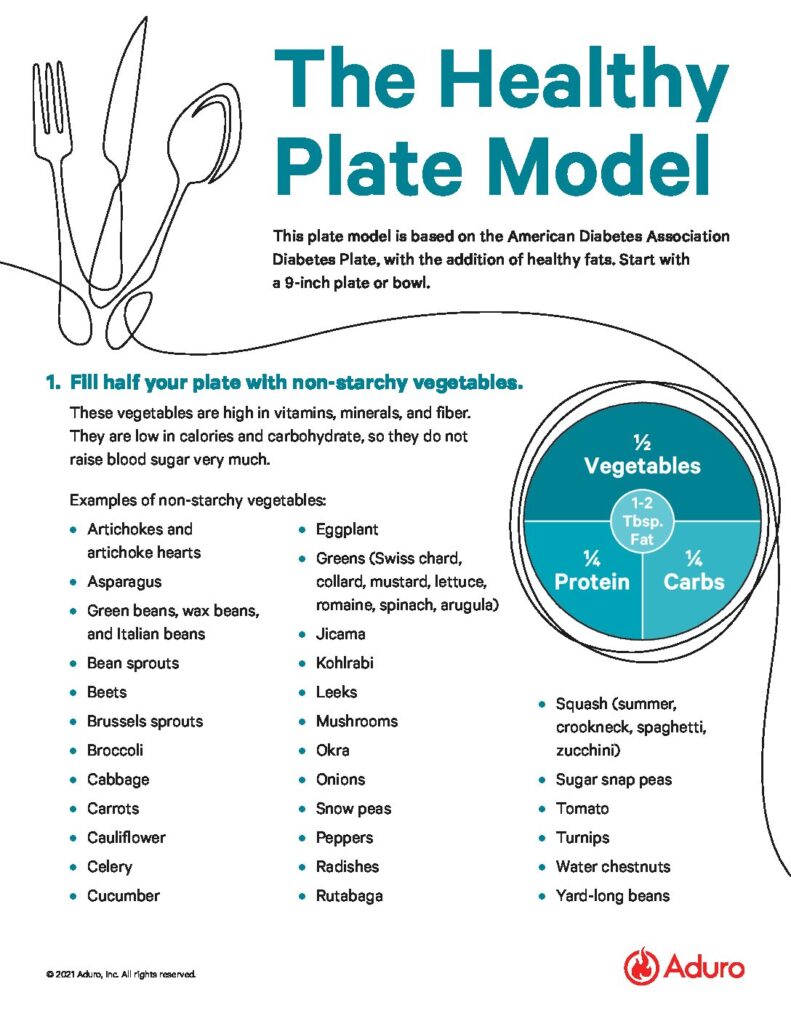
Use the Healthy Plate Model to manage portion sizes.

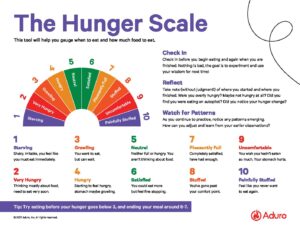
Use a hunger scale to listen to your body. Eat when you’re hungry and stop when you’re satisfied.

Choose foods lower in calories, saturated fat, trans fat, sugar, and salt.

Enjoy more food from plants.

Do something active on most or all days of the week.

Have a plan to manage stress levels.

Stay hydrated. Choose unsweetened beverages instead of juice or soda, and limit alcohol.
Take a moment to reflect.
What can you do this week to manage your blood glucose?
Dig Deeper
View or download any of the resources below.