Cholesterol is a waxy substance that is present in every cell in your body. You can measure your cholesterol with a blood test at your doctor’s office, during a biometric screening, or by using a home test kit.
Where does cholesterol come from?
Cholesterol comes from two places: It is made by your liver and can also from some foods you eat. Foods from animals, like meat, poultry, and dairy, contain cholesterol. Foods that are high in saturated fats do not contain cholesterol but can cause your liver to make more cholesterol than it normally would.
Your doctor or biometric screener will likely measure your total cholesterol along with the two types of cholesterol: LDL and HDL
LDL stands for low-density lipoprotein. LDL is considered “bad” cholesterol because it can build up in the inner walls of your arteries and negatively impact your health.
HDL stands for high-density lipoprotein. HDL is considered “good” cholesterol because it carries some bad cholesterol out of your arteries and back into your liver. This may protect you against heart attack and stroke.
Having some cholesterol in your blood is important – it helps your body build cells and make vitamins and hormones. Trouble starts when LDL cholesterol is too high or HDL cholesterol is too low.
What is healthy cholesterol?

It’s important for cholesterol levels to stay in a healthy range. Normal cholesterol levels for most people are:
- Total cholesterol less than 200 mg/dL
- LDL cholesterol less than 100 mg/dL
- HDL cholesterol greater than 40 mg/dL for men, or greater than 50 mg/dL for women.
When HDL cholesterol is less than 40 for men, or less than 50 for women, it is considered a metabolic risk factor.
High cholesterol and low HDL cholesterol can be caused by many things, including tobacco use, an unhealthy diet, lack of exercise, or other underlying conditions. Over time, high cholesterol or low HDL cholesterol can increase your risk for heart disease, heart attacks, or stroke.
What can I do to prevent high cholesterol and improve HDL cholesterol?
Your doctor can help you personalize a plan to prevent high cholesterol and improve HDL cholesterol. Working with a coach can help you stick to that plan and build new habits.

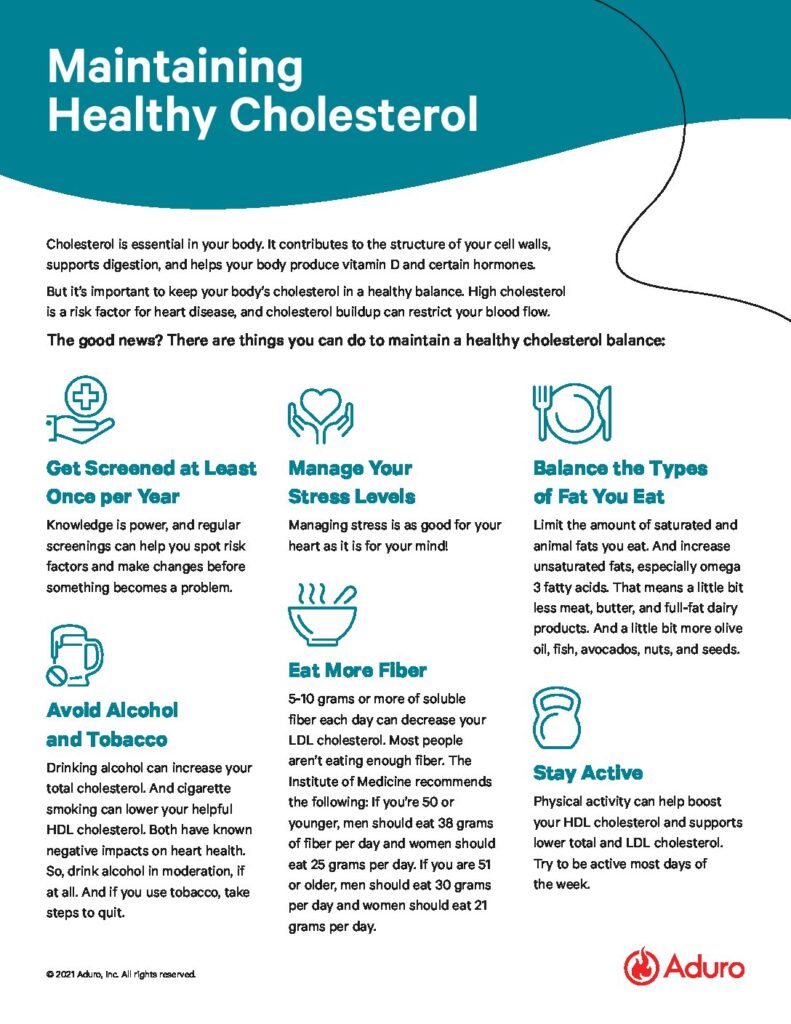
Get screened at least once per year

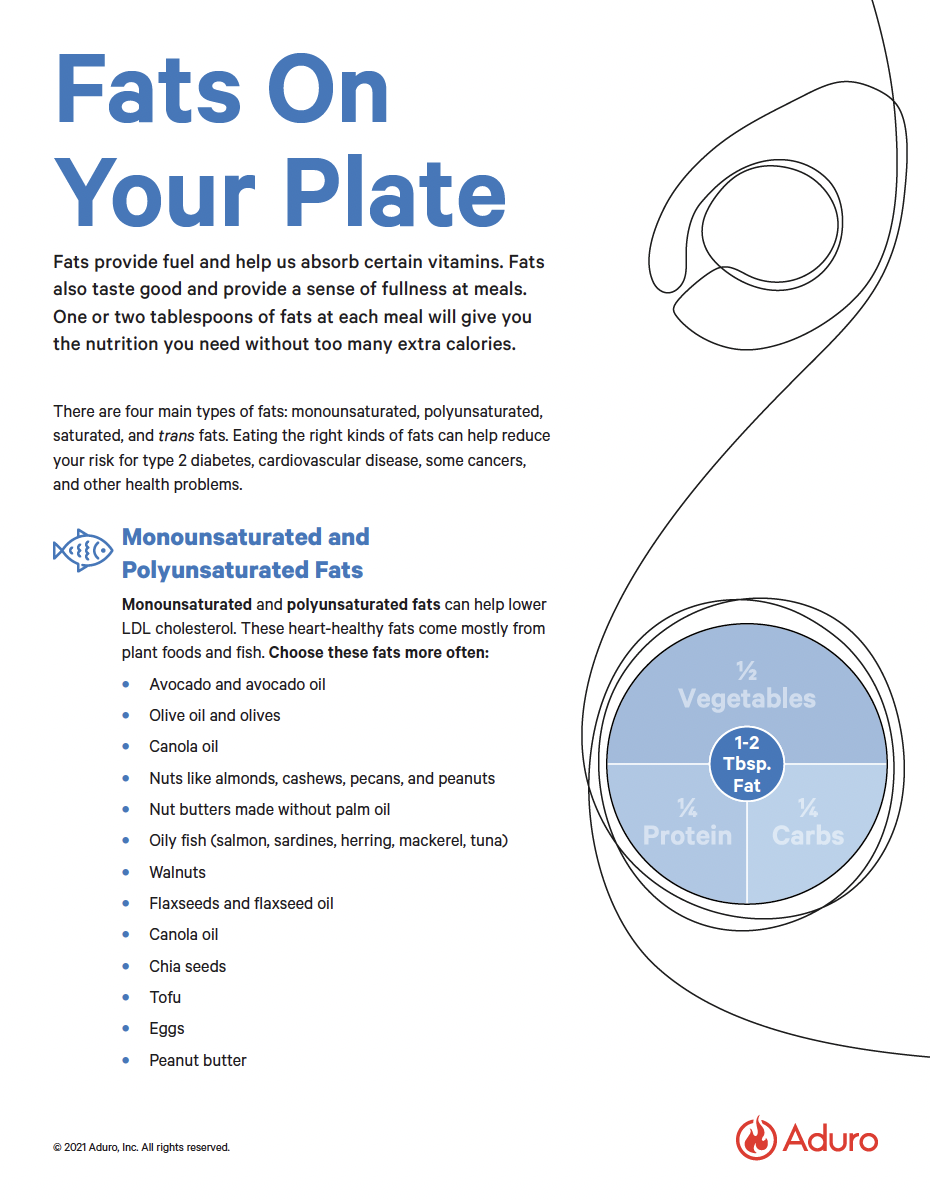
Use the Healthy Plate Model to balance meals.

Balance your fats. Limit saturated fats, and increase unsaturated fats, especially omega-3 fatty acids.

Eat more fiber. Most people aren’t eating enough fiber, an extra 5-10 grams of soluble fiber per day can support healthy cholesterol.

Enjoy more foods from plants – this can help you balance your fats and get more fiber in your diet.

Do something active on most or all days of the week.

Avoid alcohol and tobacco. Drinking alcohol can increase total cholesterol, and tobacco can lower HDL cholesterol.

Manage your stress levels to keep your heart healthy.
Take a moment to reflect.
What can you do this week to manage your cholesterol?
Dig Deeper
View or download any of the resources below.